
27 Apr Discussing COVID-19 vaccinations with parents
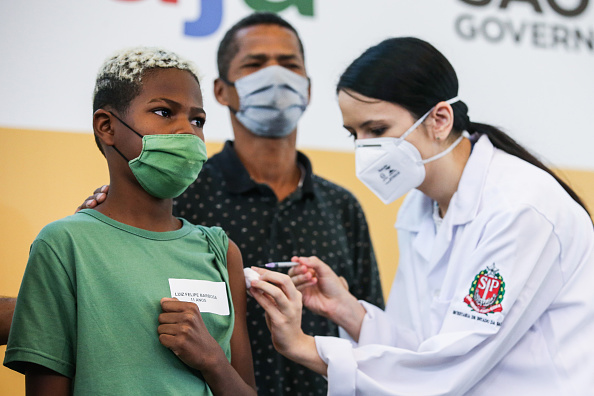
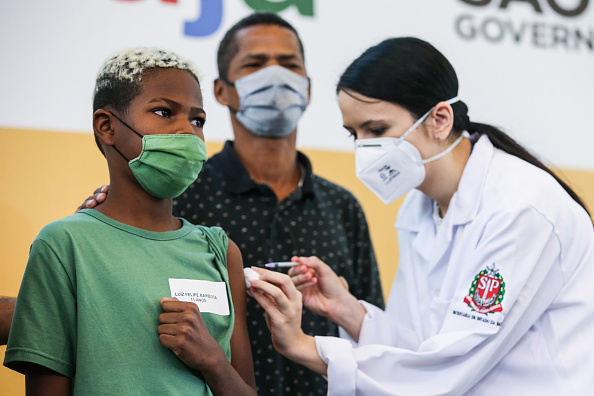
The FDA approved a COVID-19 vaccine for children ages 5 to 11 in late October. According to state data analyzed by the American Academy of Pediatrics, more than 12.9 million children have tested positive for the virus since the pandemic began. A study found that twice as many unvaccinated children between 5 and 11 were hospitalized than their vaccinated peers during the spike of the Omicron variant earlier this year.
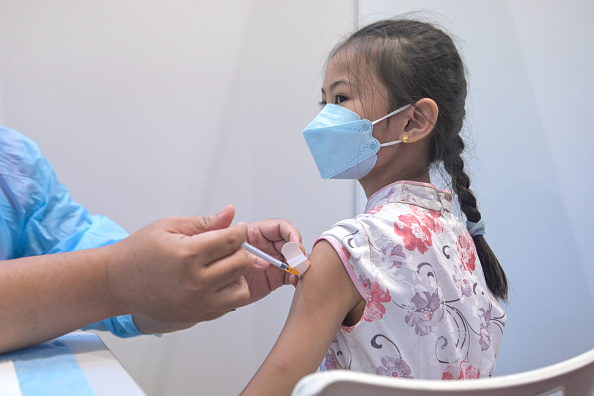
Despite these developments and statistics, COVID-19 vaccine hesitancy among parents persists. According to the Kaiser Family Foundation, 36% of parents with children ages 5 to 11 years old say they definitely will not get them vaccinated. Meanwhile, only 11% will only have their children vaccinated if mandated, and 10% are taking a wait-and-see stance. Some parents cite access and transportation issues, as well as reservations about second doses and boosters. Others harbor a level of distrust and express a desire to learn more about the vaccine and observe how it affects other children before deciding.
So, how can pediatricians approach these delicate situations and conversations, and also work to encourage and persuade parents to vaccinate their children against COVID-19? Here are three suggestions:
- Communication is key. Pediatricians can build greater trust with parents by inviting them to ask questions if they have concerns about the vaccine. They can also present parents with science-based information to answer questions and allay concerns. Some parents may need reassurance and empathy. Pediatricians can provide both to them, and also increase the odds of vaccination for their children.
- Meet them halfway. Parents who are on the fence about vaccinating their children may need more time and data to make a decision. Pediatricians can give these parents bite-size information on the vaccination and share stories about their own children and the vaccine. Clinicians should also treat them as individuals and put reminders in their patients’ EHRs to check in periodically with these parents.
- Relationships matter. Pediatricians have a unique relationship with their patients and their parents. Some have treated those patients and cultivated relationships with their parents since birth. The relationships and trust that pediatricians have built with parents of children under their care can go a long way toward persuading caregivers that the vaccine is effective and safe. Those bonds can also potentially help boost vaccination rates among children.
Pediatricians play a crucial role in persuading parents to get their children vaccinated. As trusted health care providers, they are in a unique position to lead – and influence – the conversation with parents about COVID-19 vaccinations.
If you liked this article, sign up for Pediatrics Today SmartBrief. It’s among SmartBrief’s more than 250 free industry-focused email newsletters.
Source: Smartbrief
No Comments